

Building a High-Performing Solar Call Center
discover the Systems, Strategies & Common Pitfalls to Avoid
BY PRESTON SHREEVE
An oversaturated market, widening knowledge gaps, and declining lead quality are reshaping the challenges of the solar industry.
Over the past 12 years, I’ve built, optimized, and consulted for over 100 call centers, and one key truth stands out: businesses that succeed know how to engage leads effectively. In today’s competitive landscape, success demands more than basic tools—it requires streamlined systems and proactive management.
Whether you’re starting fresh or improving an existing operation, this guide will help you create a call center that cuts through the noise, avoids common pitfalls, and turns challenges into opportunities.

Common Pitfalls That Lead Call Centers to Fail
1. Inefficient Systems
Even the best leads won’t matter if you can’t connect with them. Poor connectivity, misconfigured dialers, or outdated systems put you at a disadvantage from the start. Investing in reliable, scalable systems is critical to staying competitive.
2. Holding Onto Non-Producers
One of the toughest but most valuable lessons: not everyone is a high performer. Set clear performance quotas and stick to them. Letting go of underperformers early allows you to focus on building a strong, productive core team.
3. Ineffective Management
Weak leadership is one of the biggest reasons call centers fail. Without daily meetings, clear goals, call reviews, and real-time monitoring of reps and dialers, costly mistakes can go unnoticed for months. Strong, proactive management makes all the difference in driving results and avoiding setbacks.
4. Poor Lead Quality
While it’s crucial to avoid a culture of blaming leads, the quality of your data does matter. If you’re buying lists full of disconnected numbers or inaccurate information, your reps are wasting valuable time. Test and compare different lead sources to find what works best for your operation.
5. The “Data Wall”
If you’re targeting a limited area or region and your systems have low connectivity, you might burn through thousands of records daily. Eventually, you’ll hit a point where leads run dry, and production grinds to a halt. Avoid this by planning ahead—rework data, optimize connectivity, and ensure your systems are ready to handle high-volume campaigns sustainably.
Choosing Your Call Center Strategy
Call centers often fall into one of two categories: high-volume, low-quality leads (a beginner-friendly approach) and high-quality, high-ROI leads (an advanced, efficiency-focused strategy). Both can succeed, but your choice depends on your company’s stage of development.
Beginner-Friendly (Low-Quality, High-Volume)
Goal: Build momentum and gain experience
Affordable, low-quality leads
Focus on appointment volume
Simplified scripts for quick qualifying
Basic systems to handle large call volumes
Minimal management oversight
Entry-level training to cover essentials
Advanced Strategy (High-Quality, High-ROI)
Goal: Scale efficiently with higher ROI through skilled teams and refined processes
Higher investment in premium leads
Focus on higher conversion rates
Advanced scripts with detailed objection handling
Efficient, integrated systems for lead management
Detailed management with performance tracking
Advanced training for skills like objection handling, pacing, and empathy
Key Takeaways
For Beginners: Start with low-cost leads and focus on volume to get reps comfortable and build foundational systems.
For Advanced Companies: Transition to higher-quality leads as your team gains experience and systems become more robust.
Advertisement - continue reading below

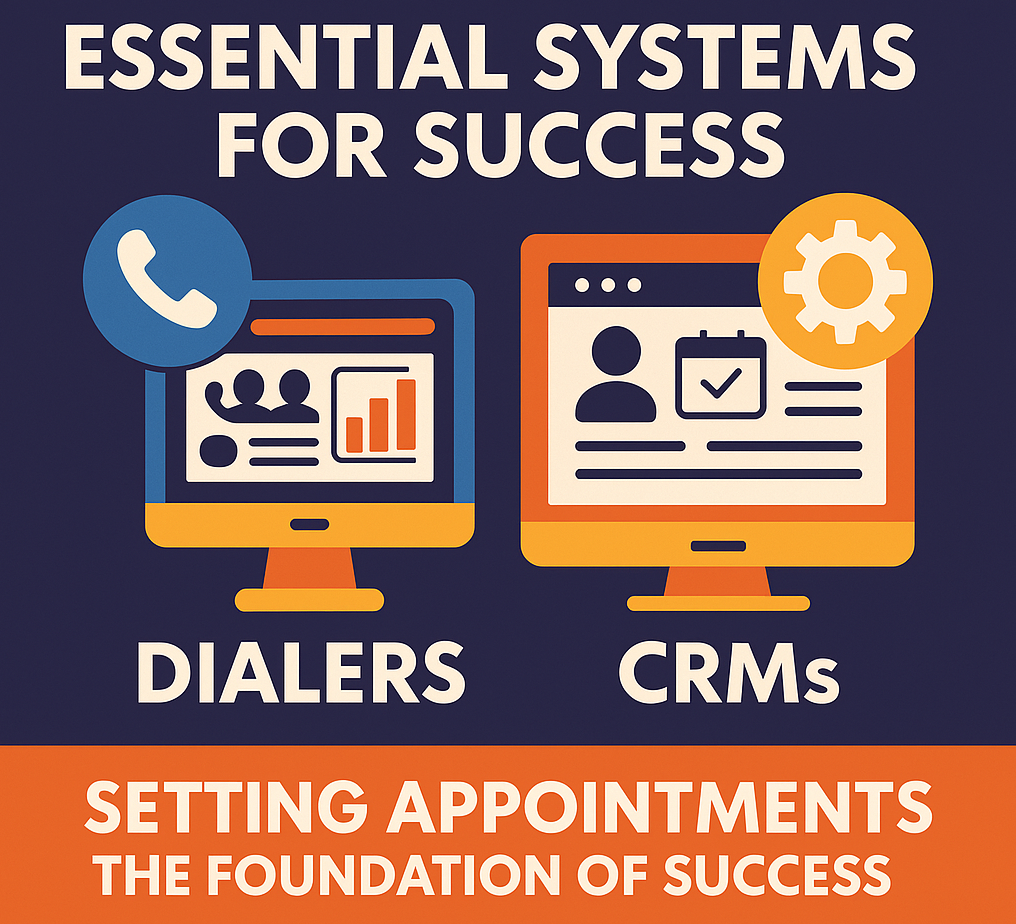
Essential Systems for Success
1) Dialers
What to Look For: Predictive dialers like ViciDial maximize efficiency, supporting multiple carrier integrations and advanced features for scaling.
Beginner Tip: Start with user-friendly features to avoid overwhelming teams.
Advanced Tip: Upgrade to multi-carrier integrations, advanced reporting, and enhanced lead management as you scale.
2) CRMs
What to Look For: A CRM that integrates with your dialer and supports scheduling, tracking, automation, and text/email nurturing.
Beginner Tip: Use a simple CRM with built-in reminders.
Advanced Tip: Upgrade to CRMs with analytics and follow up tools to optimize lead flow and track performance.
Setting Appointments: The Foundation of Success
Appointments drive call center performance. For beginners, prioritizing appointment setting builds essential momentum and lays the foundation for long-term scalability.
Key Focus Areas:
Train Agents for an Appointment-First Mindset
Use scripts that focus on securing appointments, not closing sales.
Regularly train agents on objections, rebuttals, and basic product knowledge.
Monitor Key Behaviors
Ensure agents stick to scripts and follow approved rebuttal structures.
Encourage 3-5 rebuttal attempts per call.
Avoid long pauses, sitting on answering machines, or inefficient wrap-ups.
Pro Tip: Provide regular coaching based on monitored data for continuous improvement.

Metrics and KPIs: Measuring Success
Tracking performance is critical to ensuring your call center operates efficiently and identifying areas for improvement.
Key Metrics To Track:
Contact Rate: Percentage of leads successfully reached.
Conversion Rate: Percentage of leads converted into appointments.
Show Rate: Percentage of leads who attend scheduled appointments.
Appointments Per Hour: Measures how efficiently agents are filling calendars.
Wait Times: Tracks agent idle time between calls to optimize productivity.
Setting Benchmarks:
Beginners: Focus on achieving consistent appointment rates and reducing idle time.
Advanced Teams: Optimize for higher show rates, conversion rates, and faster calendar fills.
Use Real-Time Monitoring Tools:
Leverage dashboards to monitor appointments per hour, contact rates, and wait times.
Regularly review performance data to identify inefficiencies and refine workflows.
Other Common Pitfalls to Avoid
1. Lack of Training
Inadequately trained agents fail to engage leads effectively, leading to missed opportunities.
Solution: Provide ongoing training with role-plays and feedback sessions.
2. Overcomplicated Systems
Complex tools can overwhelm teams and hinder productivity.
Solution: Start with simple, scalable systems and introduce complexity gradually.
3. Neglecting Metrics
Failing to track key performance indicators results in poor decision-making.
Solution: Use dashboards to monitor and refine processes in real time.
4. Ignoring Agent Feedback
Dismissing agent input can lead to disengagement and missed process improvements.
Solution: Hold regular team check-ins to gather insights and address concerns.
5. Compliance Oversights
Non-compliance with regulations like TCPA or DNC laws can lead to legal trouble.
Solution: Regularly review policies and ensure all tools and scripts adhere to legal standards.
6. Overlooking Follow-Ups
Leads often go cold without proper follow-up protocols in place.
Solution: Automate reminders and implement clear post-call workflows.
Pro Tip: Schedule quarterly audits to refine processes, ensure compliance, and address inefficiencies before they become costly mistakes.
Advertisement - continue reading below

Wrapping It Up
Whether you’re building your first call center or refining an existing one, success lies in choosing the right strategy, implementing efficient systems, and continuously tracking performance.
By following this guide, you’ll be equipped to cut through the noise, avoid common pitfalls, and transform your call center into a high-performing solar sales engine.
Let’s make it happen.

About The Author

Preston Shreeve
Preston Shreeve is the founder of NU-WAZE and a recognized expert in building high-performing solar call centers. With over 8 years of hands-on experience, he’s trained countless appointment setters on multi-dialers, power dialers, scripting, and lead conversion systems. His deep knowledge of call center structure, lead flow, and team development has helped solar companies streamline how appointments are booked and scale with confidence. Through NU-WAZE, Preston continues to refine the systems and sales training that drive real results in both remote and in-person solar teams.
Exclusive Offers From This Months Sponsors




💌 Did a friend share this with you?
That’s because they think you’ll love it. Get started with your own subscription for just $5 and never miss another issue!